
When you’re caring for a loved one, you might wonder about taking a break without compromising their safety and comfort. Maybe you need time to recover from your own health challenges, or perhaps you’re planning a family vacation. These moments make you question what options exist for temporary care.
Respite care stays typically range from several days to a few weeks, with most communities offering flexible arrangements based on your family’s specific needs and your loved one’s care requirements. The duration depends on factors like your caregiver situation, your loved one’s health, and the type of support they need during their stay. At Kingston Residence of Marion, we understand that temporary senior care and short-term stays can provide invaluable relief for families navigating these challenging decisions.
Key Takeaways
- Respite care provides temporary senior living support lasting from multiple days to several weeks.
- Stay length depends on your loved one’s care needs and your family circumstances.
- Short-term stays offer quick relief, while extended stays provide deeper adjustment and recovery time.
- Professional communities like Kingston Residence of Marion offer 24-hour personalized care during respite stays.
- Planning the right duration involves considering health requirements, caregiver needs, and budget factors.
What Is Respite Care and How Does It Work?
Respite care offers temporary senior living support when your loved one needs a safe place to stay while you handle other responsibilities. This service steps in during times when you can’t provide care at home, whether for a few days or several weeks.
The primary purpose is giving family caregivers relief from daily care responsibilities. You might need respite care when you’re recovering from surgery, dealing with your own health challenges, or simply need time to recharge. It’s designed to support both you and your loved one during these transitions.
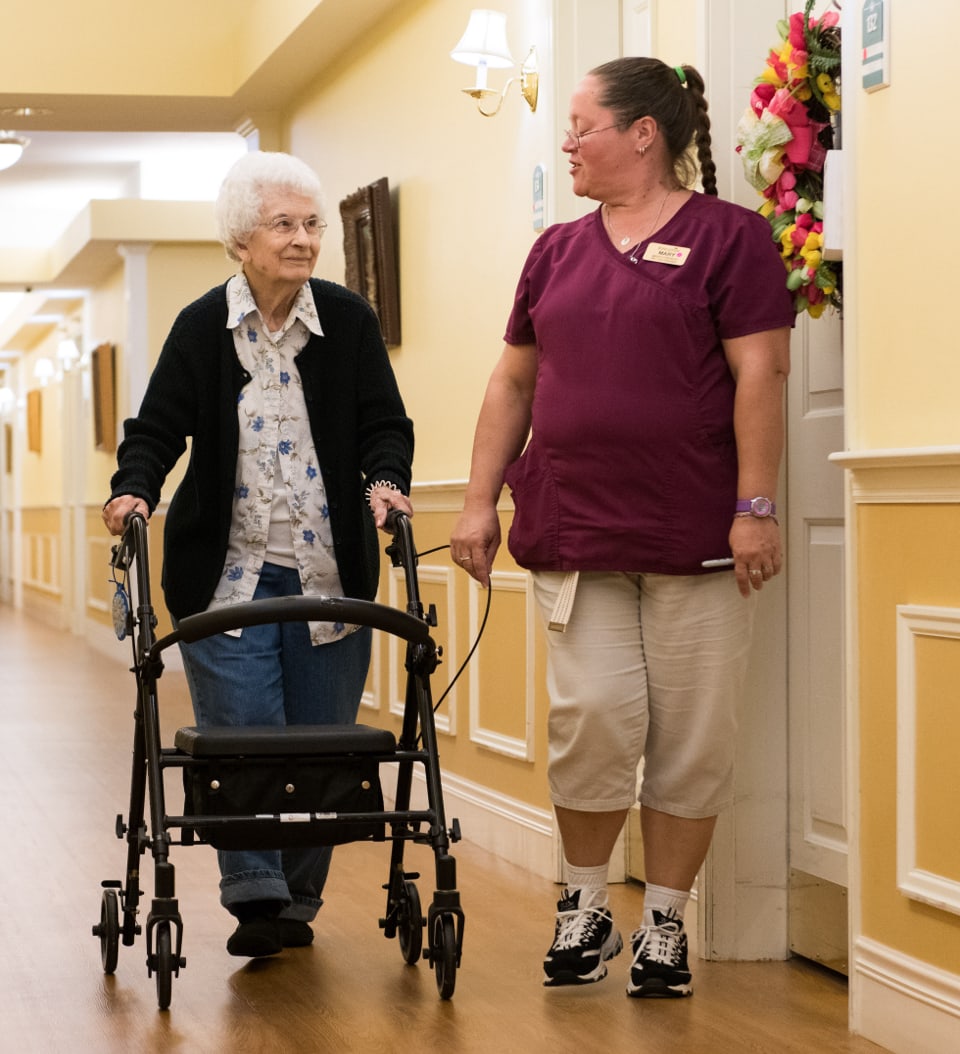
During respite stays, your loved one receives comprehensive care that can include assistance with daily activities, medication management, meals, and social engagement. Communities provide the same level of attention and support as their permanent residents, helping your loved one feel comfortable and cared for.
Families in various situations benefit from respite care services. Adult children managing careers while caring for parents, spouses needing medical treatment, and family caregivers experiencing burnout all find value in temporary care arrangements.
Typical Length of Respite Care Stays

Most respite care stays last from several days up to a few weeks. The specific duration depends on your family’s needs and what the senior living community can accommodate. Some communities require minimum stays of 3–5 days to help residents settle in properly.
Your loved one’s care requirements play a significant role in determining stay length. Someone recovering from a hospital visit might need 2–3 weeks of respite care, while you might only need a short break to attend a family wedding.
When planning respite care, consider what you hope to accomplish during this time. Brief breaks for personal appointments require different arrangements than extended periods for your own recovery or major family events. Understanding the benefits of short-term stays can help you make the most informed decision for your situation.
Short-Term Stays: A Few Days to One Week
Brief respite stays work well when you need quick relief for specific events or appointments. Maybe you’re having outpatient surgery, attending a wedding, or need time to handle urgent family matters.
During shorter visits, communities focus on keeping your loved one comfortable while maintaining their routines as much as possible. The care team works to minimize disruption and help them feel at ease in the temporary environment.
Extended Stays: Multiple Weeks
Longer respite periods provide more comprehensive benefits for both you and your loved one. Extended stays give you time for significant recovery, major family obligations, or extended travel while providing continuous quality care.
During longer visits, your loved one has time to adjust to the community environment and build relationships with staff and other residents. This adjustment period often leads to increased comfort and engagement in activities.
Factors That Influence Respite Care Duration
Your loved one’s health and care requirements directly impact how long respite care should last. Someone with complex medical needs might benefit from longer stays that allow the care team to fully understand their routines and preferences.
Your circumstances as a family caregiver also determine appropriate duration. Recovery from major surgery requires different timing than a planned vacation or business trip. Consider what you need to accomplish and how long that realistically takes.
Recovery time from illness or hospitalization often necessitates longer respite stays. Your loved one might need additional support and monitoring during this period, making extended care arrangements more appropriate than brief stays. Some families may benefit from exploring veterans benefits to help offset costs.
How Kingston Residence of Marion Supports Respite Care
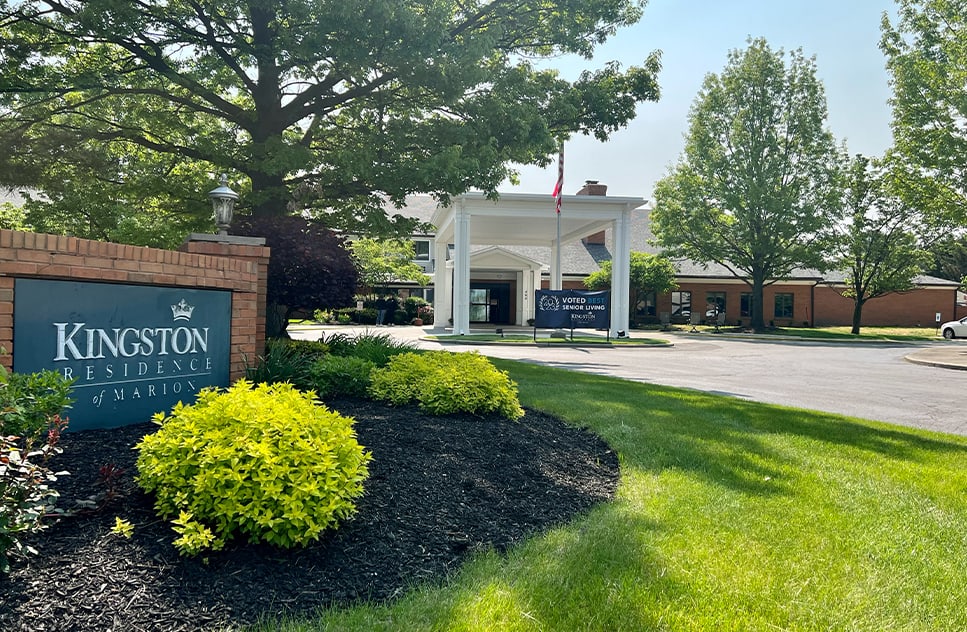
Kingston Residence of Marion creates personalized care plans for each respite resident, helping your loved one receive appropriate support throughout their stay. Our team takes time to understand individual needs, preferences, and routines before arrival, and our short-term stays are designed specifically to meet these diverse family needs.
For respite care, we focus on smooth transitions both when your loved one arrives and when they return home. Our goal is to minimize stress and help everyone feel comfortable with the temporary care arrangement.
If you want to ask questions about respite care or schedule a tour to come see our community in person, please contact us today. We would love to hear from you.