
Key Takeaways
- Assisted living residents are diverse individuals who value independence but benefit from daily support
- Common signs that assisted living might be right include difficulty with daily activities, safety concerns, and increased social isolation
- Health conditions like memory changes, chronic conditions, and recovery needs often prompt the move
- Good candidates appreciate community connection while maintaining their personal autonomy
- Families often recognize the need when they notice changes in safety, health, and social well-being
Who Chooses Assisted Living?
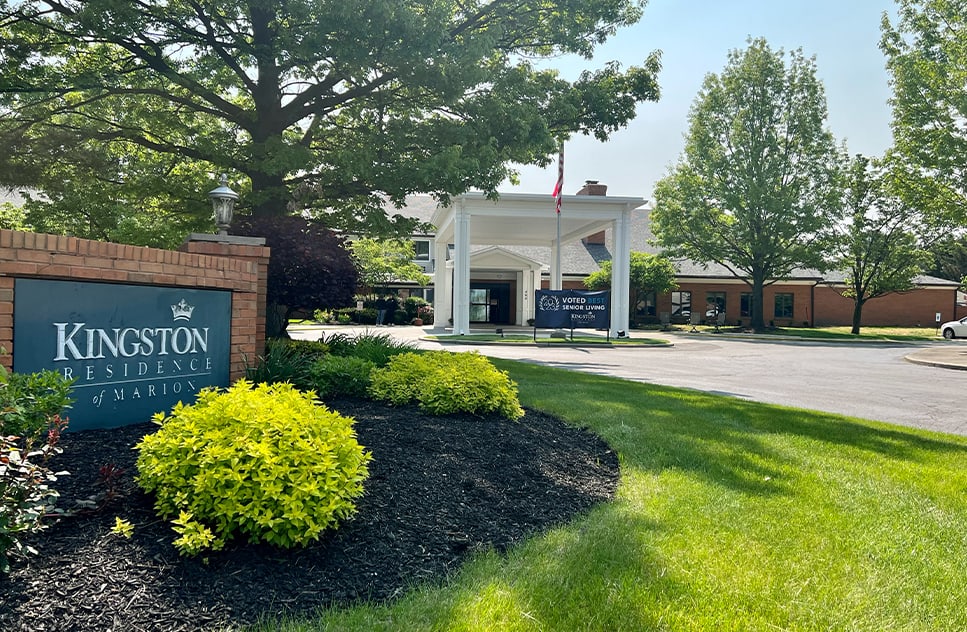
When you’re considering assisted living for yourself or a loved one, you might wonder who else lives in these communities. The answer might surprise you—assisted living residents come from all walks of life, each with their own unique story and reasons for choosing this type of care. Kingston Residence of Marion welcomes individuals who are ready to embrace a supportive lifestyle while maintaining their independence.
Assisted living typically serves adults who value their independence but need some help with daily activities, want social connections, or seek peace of mind with 24-hour support available. Communities like ours welcome people who are ready to embrace a maintenance-free lifestyle while staying active and engaged in their daily routines.
The People Who Call Assisted Living Home
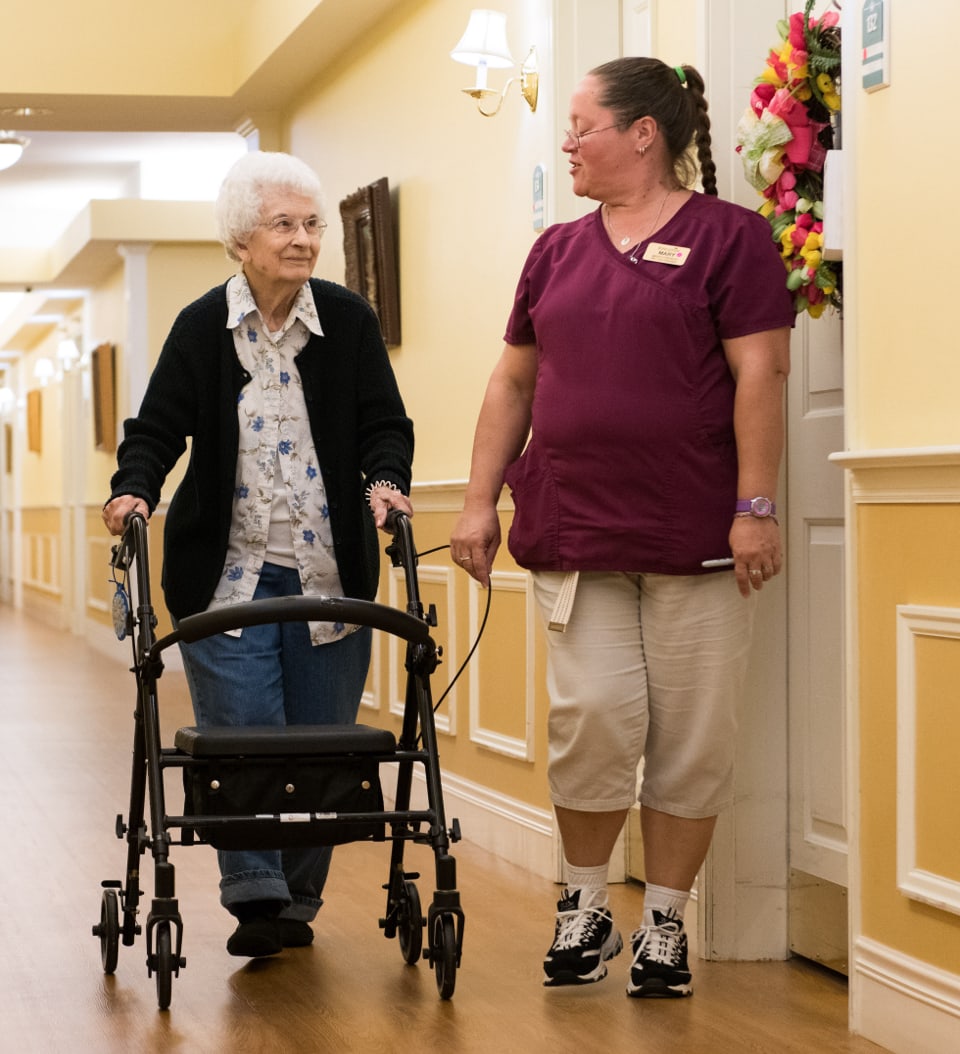
Residents in assisted living communities often need assistance with tasks like medication management, meal preparation, or personal care, but they still want to make their own decisions about how they spend their days.
Many residents choose assisted living because they’re looking for meaningful social connections. After years of living independently, they miss having neighbors to chat with over coffee or friends to join for evening activities. The community atmosphere provides natural opportunities for friendship and engagement through diverse activities and programs.
Others are drawn to the maintenance-free lifestyle that comes with assisted living. You no longer need to worry about burdens like lawn care, home repairs, or snow removal. Instead, you can focus on the activities and relationships that bring you joy, knowing that support is available whenever you need it.
Common Signs It Might Be Time to Consider Assisted Living
Changes in Daily Activities
You might notice that tasks you or your loved one have always handled easily are becoming more challenging. Personal care activities like bathing or dressing may feel overwhelming, especially if balance or mobility has changed. Meal preparation can become difficult when standing for long periods feels tiring or when remembering to eat regularly becomes a concern.
Medication management often becomes complex as health needs change. You might find yourself forgetting doses or feeling confused about which medications to take when. Housekeeping and home maintenance tasks that once felt routine may now seem impossible to keep up with safely.
Safety and Mobility Concerns
Falls or near-falls can create anxiety about moving around your home safely. You might find yourself avoiding stairs or certain areas of your house because you’re worried about losing your balance. Getting lost while driving familiar routes or having trouble navigating your neighborhood can signal that additional support would be helpful.
Emergency situations where help wasn’t readily available often serve as wake-up calls for families. Having trained staff nearby 24 hours a day provides comfort and security that can prevent small problems from becoming serious emergencies.
Social and Emotional Changes
Loneliness can creep in gradually, especially if friends have moved away or family members live far from you. You might find that days pass without meaningful conversation or social interaction. The desire for community connection and regular activities with peers becomes more important as social circles naturally change over time.
When family caregivers live at a distance or have their own responsibilities, assisted living can bridge that gap by providing both social connection and practical support in a caring environment.
Health Conditions That Often Lead to Assisted Living
Memory-related conditions often prompt families to explore assisted living, particularly communities with specialized memory care programs. These environments provide structure and security while supporting cognitive health through meaningful activities and routines. Understanding Alzheimer’s and dementia helps families make informed decisions about appropriate care levels.
Chronic conditions like diabetes, heart problems, or arthritis may require ongoing monitoring and support that’s easier to manage in a community setting. Recovery from surgery or illness sometimes creates temporary needs that develop into longer-term preferences for having care available. Progressive conditions benefit from the flexibility that assisted living provides, allowing care levels to adjust as needs change over time.
What Makes Someone a Good Fit for Assisted Living?

Independence with Support
You’re likely a good candidate if you want to maintain control over your daily decisions while having assistance available when you need it. This might mean choosing your own schedule, decorating your living space to reflect your personality, and participating in activities that interest you—all while knowing that help with medications, meals, or personal care is just a call away.
Social Connection Seekers
If you find yourself missing the natural interactions that come from having neighbors nearby, assisted living can provide that sense of community. You might enjoy shared meals, group activities, or simply having someone to wave to each morning. The opportunity to form new friendships and try different activities often appeals to people who are ready for a more social lifestyle.
Learn More About Assisted Living
At Kingston Residence of Marion, we welcome people from all backgrounds who are ready to embrace a supportive, engaging lifestyle. With services ranging from independent living to memory care, along with 24-hour nursing staff on-site, residents can age in place comfortably as their needs change. The caring team focuses on creating an environment where you can thrive while receiving exactly the level of support that works for your situation.
If you’re considering assisted living for yourself or a loved one, contact Kingston Residence of Marion to schedule a tour and learn more about how their community supports residents in maintaining independence while providing the care and connection that enhances daily life.